 Vladyslav Tumanov
The web is a maze in 2026. Privacy is the top concern for everyone. Proxies are a big deal because bots and security tech need them to work. According to a Statista report, the number of internet users worldwide reached 5.5 billion in 2025, which creates colossal pressure on infrastructure and requires new ways of data protection.
What is a proxy server? This is a question that Internet users often ask. Today, a proxy server is more than just a tool to change IP addresses. It is an intelligent intermediary that filters, accelerates, and protects traffic. Think of it as a middleman for your web traffic. It fetches data for you and masks your real face so you stay off the radar. Once you master this tech, you can move through the web with ease and stay safe in this digital mess.
Are Proxies Secure?
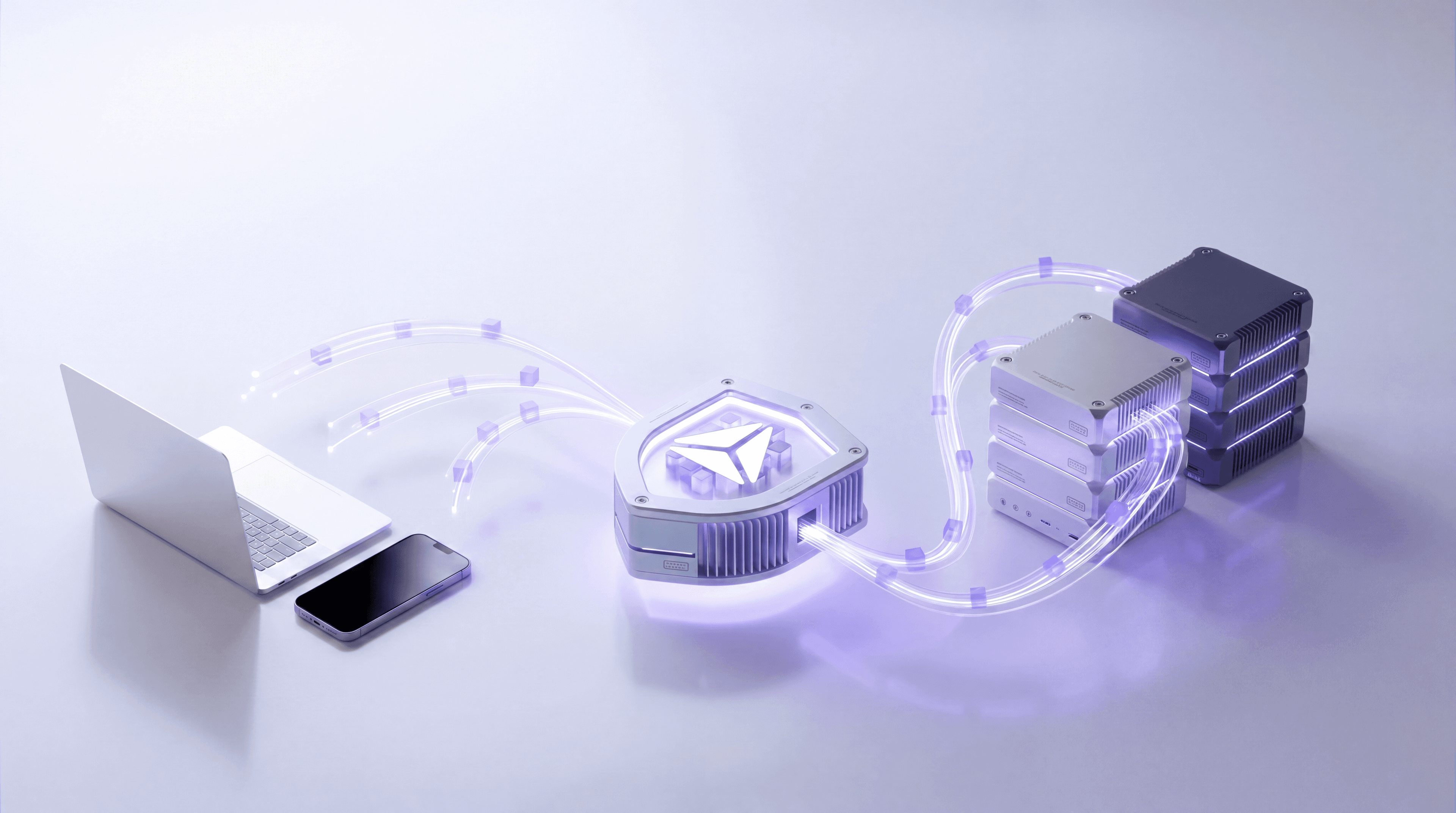
In 2026, the question of "What is a proxy and proxy server security?" is inexorably linked to the concept of "cyber inequality" between secure corporations and vulnerable small businesses. As per the analytical data of the World Economic Forum, the gap in organizations' capability to resist cyber threats has increased by 30% in a year. In these conditions, a tool is not just about anonymity but a critical wall that levels the playing field in data protection.
System security today is determined by the quality of traffic filtering and the reliability of the protocols used. Organizations that ignore modern intermediary tools are twice as likely to experience operational failures. This is due to targeted bot attacks and unauthorized data scraping. Users of modern solutions receive:
- reliable protection against data interception;
- complete isolation of internal network addresses;
- use of up-to-date traffic encryption protocols;
- effective prevention of automated bot attacks;
- constant monitoring of all incoming requests;
- concealment of the real structure of the corporate network.
A properly configured online proxy can significantly reduce the attack surface, making a company's internal resources invisible to external scanners. This creates an additional layer of defense, which is critical in an increasingly complex threat landscape. Professional solutions ensure that your online activity remains protected from most modern cyberattack vectors.
Proxy Types
The wide range of tasks tools perform dictates the variety of their types. Depending on the level of anonymity and the origin of the IP address, they are divided into several main categories:
- transparent;
- anonymous;
- residential;
- data center.
Each category has its own strengths and weaknesses. You should study all the features of each option. This will help you understand which of the available models is best suited.
Transparent
Corporate networks and educational institutions most often use transparent proxies for content filtering. They do not hide the user's real IP address. Their purpose is to redirect traffic through their servers to comply with specific security rules.
This type of connection typically requires no configuration on the client side. The entire process occurs automatically at the ISP or router level. The main purposes of transparent systems include:
- efficient caching of popular resources;
- restricting access to entertainment sites;
- monitoring the activity of all employees;
- filtering potentially dangerous content;
- saving overall bandwidth;
- centralized management of network rules.
Despite the lack of anonymity, transparent proxies remain an important tool for infrastructure management. They allow administrators to flexibly configure access policies and ensure high performance by caching web pages locally.
Anonymous
Anonymous models provide a basic level of privacy. They hide your real IP address from the target site. But they do inform the resource in good faith that the request came through a solution. Sometimes this will trigger security mechanisms.
This setup works great for basic stuff when you just want to hide your spot but don't care about a full-on ghost mode. Most people use these anonymous proxies for things like this in 2026:
- bypassing simple geographic restrictions;
- preventing direct user identification;
- protection from intrusive advertising;
- hiding ISP information;
- ensuring basic browsing privacy;
- protection from statistics collection.
It is a low-cost and effective solution for people who care about their privacy but do not deal with complex technical issues. Anonymous servers are a good compromise between speed and privacy.
Residential
Residential proxies are considered the "gold standard" in the industry. They use IP addresses assigned to home users by real internet service providers. These locations are pretty much indistinguishable from normal user traffic, so websites trust them a lot more.
The high level of trust in anti-fraud systems makes this option indispensable for professional activities. They allow you to imitate the actions of real users from anywhere in the world, providing the following advantages:
- minimal risk of blocking;
- bypass advanced security systems;
- high degree of trust in resources;
- access to exclusive content;
- accurate imitation of human behavior;
- no suspicion from anti-fraud systems.
Although these proxies are more expensive than other types, their effectiveness fully justifies the cost. In 2026, they will be the primary tool for serious marketing research and working with big marketplaces.
Data Center
Large cloud providers and hosting centers create data center proxies using their own facilities. Their main advantage is their incredible speed and low cost. These qualities make the tool ideal for tasks that require transferring large volumes of data. However, popular websites often block such IP addresses because they can easily identify them as "non-human" traffic. Nevertheless, they are widely used in specific niches:
- website load testing;
- quick resource availability checks;
- working with simple APIs;
- bulk downloading of open data;
- establishing high-speed communication tunnels;
- technical monitoring of network nodes.
For tasks where anonymity is not a priority and performance is paramount, data center proxies remain unrivaled. They provide a stable connection and instant response with minimal financial investment.
Proxy Infrastructure Performance 2026
The table below compares the key features. It reflects the key characteristics of different types of solutions based on current technology standards.
Residential proxies are the most trusted options for secure proxy web activity. Data center proxies are the fastest but offer less anonymity. The best choice depends on whether you need stronger privacy or higher speed.
How Proxies Ensure Anonymity
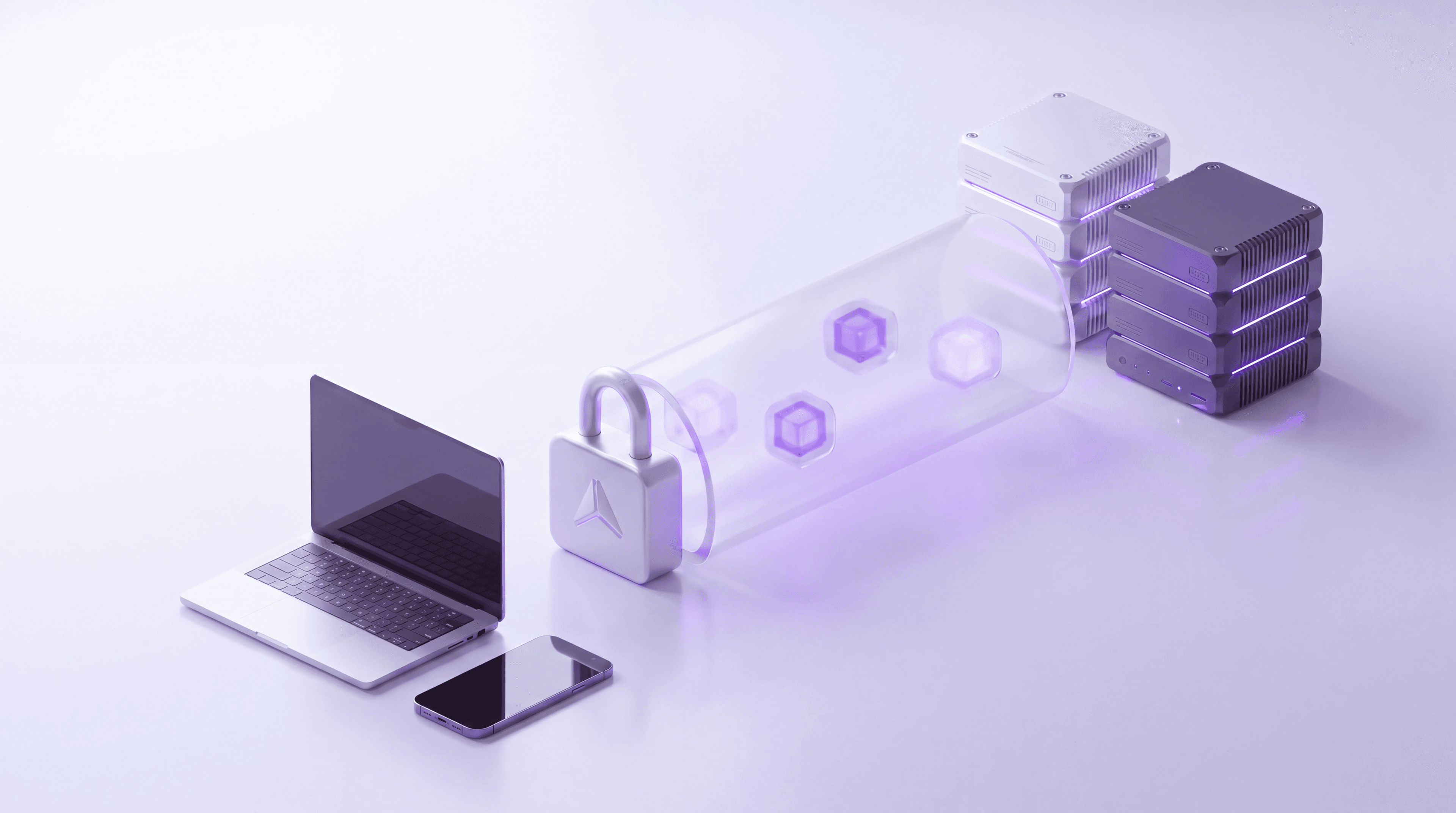
The proxy server anonymity mechanism involves a multi-stage process of modifying network packets. In 2026, simply replacing an IP address is not enough. Modern systems have to look beyond just IP addresses. They need to watch out for browser fingerprints and other metadata that can easily give a user away.
The anonymization process begins when a request is received at the tool and ends with the response from the target resource. At each stage, changes occur that break the direct connection between the client and the website.
IP Masking
IP masking is a fundamental function of any solution. It involves replacing your network identifier with the server's address. This hides your real location and ISP information from the target resource.
In 2026, leading providers use dynamic masking. It changes the address at set intervals. This makes it virtually impossible to track a specific user's activity over the long term. The main aspects of masking include:
- complete network address spoofing;
- concealing the client's true geolocation;
- protection against direct tracking;
- real-time address rotation;
- use of a pool of different subnets;
- operating system data masking.
This allows the website to see only requests from a proxy server located, for example, in Germany, while the user is physically in Tokyo. This architecture is the foundation for building any privacy system.
HTTP Header Stripping / Modification
Web browsers transmit a huge amount of information in HTTP headers, including the engine version, installed fonts, and time zone. This data forms a unique "digital fingerprint." It allows you to be identified even without your IP address.
Modern tools can modify these headers on the fly. They remove unnecessary information or replace it with standard values. This allows the user to blend in with general traffic and avoid being identified.
Without this feature, IP masking would be ineffective, as Big Data systems easily match browser parameters. A technology makes your request as standard and impersonal as possible for the receiving party.
IP Replacement
The process of full IP replacement involves more than simply forwarding a packet. It also creates a new connection on behalf of the proxy server. This step is vital if you want to plug leaks through low-level protocols like WebRTC or ICMP before they give you away.
Fast forward to 2026, and IP replacement is finally where it needs to be. You can swap between hundreds of addresses mid-session, and the connection won't even hiccup. This provides an unprecedented level of freedom and security when performing automated tasks. Key replacement features include:
- instant switching of active addresses;
- load balancing between servers;
- use of addresses from different countries;
- creation of solution chains;
- automatic updating of the identifier list;
- cleanliness checks for each address.
This technique means that if one IP address is compromised or blocked, a new one is immediately provided. This ensures a high fault tolerance and the continuous operation of the whole infrastructure.
Security Aspects of Proxy Servers
In 2026, this technology is more than just a mask for your IP. It’s a beast at traffic control. Bad actors now use AI to sniff out any weak spot in a network, so you need a tool that can keep up. Think of a proxy as a gatekeeper. It checks every single piece of data that comes in or out to make sure no leaks slip through.
Threat Reduction
Risk reduction is achieved by creating an isolated environment between internal infrastructure and the open internet through proxy users. This is especially important for protection against DDoS attacks, which have been more widespread and destructive in recent years. According to official reports, the global damage from cybercrime has already passed $10.5 trillion and is projected to increase by 15% annually to $12.2 trillion by 2031.
Access Control
Access control of the tool provides flexible management of user rights in the modern corporate environment. It lets administrators centrally define access rules for specific resources based on an employee's responsibilities or the system's security level.
In 2026, this mechanism has become a key tool for maintaining digital hygiene. It enables the following functionality:
- creating flexible resource allowlists;
- restricting access to dangerous websites;
- monitoring the network activity of all employees;
- controlling the use of company cloud services;
- preventing malware downloads;
- assigning access rights to data.
This systematic approach effectively protects the internal network and significantly optimizes the time in-house specialists spend on work. Just cut the noise and kill off suspicious traffic. It's the easiest way to make sure a human mistake doesn't turn into a massive data leak. In 2026, if you're not using proxies for access control, you're just asking for trouble. Any company that gives a damn about its data has already made this its go-to.
Encryption
Modern solutions include traffic encryption as an important part. We apply TLS 1.3 and the SOCKS5 protocol with authentication. Thus, the data cannot be intercepted even if intermediate nodes are compromised. This establishes a secure tunnel where information is sent encrypted from the client to the exit node of the proxy.
When to Use Proxy Servers?
Proxy apps in 2026 have exploded way beyond just browsing. They are now a critical tool for global commerce, scientific research, and personal security in the age of total digital surveillance. They serve both the personal needs of individuals and the efficient operations of businesses.
Personal Use
For the private user, a solution has become a must-have. Users can easily compare it to an antivirus or a password manager. In an era where personal data is currency, protecting one's digital identity is a top priority for everyone.
Protection on Public Wi-Fi
Public Wi-Fi at airports and cafes remains among the most vulnerable areas for ordinary users. Online proxies provide protection. They hide traffic from access point owners and potential attackers on the same network. With this setup, you can check your mail, buy stuff, or hop into your accounts without a second thought. You won't have to stress about someone hijacking your session and locking you out.
Location Restrictions
In 2026, geographical content restrictions are still a major problem. Many streaming platforms and gaming services provide different services in different countries. This is where proxies come in. They let you easily switch between regions, opening access to global media content without artificial barriers.
Geo-based Pricing
Dynamic pricing based on geolocation has been used for a long time by big retailers and airlines. Users can use proxies to check for product prices in other countries and often find better prices. They can be used for the following:
- finding the cheapest airline tickets online;
- comparing hotel prices worldwide;
- purchasing software at regional prices;
- analyzing discounts at different stores;
- saving on international digital subscriptions;
- access to exclusive local sales.
This method allows you to save significantly when planning travel or purchasing expensive software. A proxy provides consumers with a tool for fair price comparison in a global marketplace.
Business Use
For modern businesses, proxy servers are key to obtaining objective market data. The analytical departments of large companies that collect and process big data cannot function without a distributed network of IP addresses.
Market Research
Global market research requires access to information that often displays differently to users in different regions. Proxies allow companies to see the internet through the eyes of their customers anywhere in the world. This is critical for developing development strategies and launching new products.
SEO Analysis
In search engine optimization, tools are indispensable for monitoring website rankings and analyzing search results in different geographic locations. They allow you to check competitors' ads and track changes in search algorithms without the risk of penalties for automated queries. The following functions are available:
- automatic monitoring of search query positions;
- collection of advertising campaign data;
- checking local search engine results;
- analysis of the promotion strategies of key competitors;
- auditing the technical condition of your resources;
- collection of keywords for semantics.
The accuracy of SEO data directly depends on the quality of the proxies used. Using residential IP addresses enables search engines to retrieve the most relevant information and serve real users in specific regions.
Web Scraping
Web scraping, or automated data collection, is the foundation of modern Big Data analytics. The way this works is simple: proxies spread your requests across thousands of different addresses so you don't hit any walls. It keeps you from getting blocked by target sites and lets you scoop up data as quickly as possible, without lag. In 2026, the effectiveness of scraping is determined not only by server capacity but also by the purity of the IP address pool used.
Network Security
Companies also build the internal security of their corporate networks around solution usage. Proxies hide a company’s real IP addresses, making its servers invisible to external port scanners and automated botnets. This makes it a total nightmare for hackers to find a way into the network.
How to Choose the Right Proxy
The right solution in 2026 is not about finding the lowest price in the market. With so many options available, it is important to have a clear understanding of the user's or CTO's needs. Choosing the wrong proxy type may result in account blocking, data leakage, or inefficient budgeting. In order to make a decision, it is important to follow a clear provider evaluation algorithm:
- Define your needs.
- Decide on the budget.
- Test a free trial version.
- Check functionality.
Pay attention to each point. Only then will you reduce the risk of making the wrong choice to zero.

1. Define Your Needs
First and foremost, you need to define your goals clearly. If your goal is simple web browsing with privacy protection, high-quality anonymous proxies may be suitable. But look, if you want a massive data haul or you run dozens of social accounts, residential IPs are a must. They look so legit that security filters just give them a free pass.
2. Decide on the Budget
Companies should base budgeting on the principle of cost-effectiveness. Saving on proxies often results in additional costs for unblocking accounts or re-collecting data.
In 2026, the market offers a range of payment models. Users can choose a fixed subscription or pay per gigabyte of traffic used (pay-per-GB). This is especially convenient for unstable loads.
3. Test a Free Trial Version (Optional)
A free trial period or the option to pay for testing a small service package is a sign of a reliable provider. During the testing phase, you should evaluate not only the connection speed but also the percentage of successful requests to target websites. If a technology server returns many 403 errors or frequently requests CAPTCHA, such an address pool is not suitable for serious work.
4. Check the Functionality
The functionality of the control panel and the availability of APIs for integration are key to process automation. A modern service should support a wide range of features:
- automatic rotation of system addresses;
- selection of a specific connection city;
- SOCKS5 protocol support;
- API integration;
- detailed traffic statistics;
- instant replacement of failed nodes.
These features allow you to customize your proxy to your project's individual requirements without the need for additional developers. The more flexible the settings, the greater the chances for long-term success of your digital strategy.
Conclusion
To sum up, we can confidently say that in 2026, tools were completely moved from a "bypassing restrictions" device to a network security and marketing analytics backbone. They are an absolute necessity for any business with global reach, as data volumes grow and security measures become more sophisticated.
The future of this technology is in ever-closer integration with artificial intelligence. AI will select the best IP addresses for each specific request in real time. Choosing a trusted partner like ProxyShard means not only access to the network but also a powerful lever that allows you to scale up your capabilities in the digital world.
FAQ
Are free proxies reliable?
Free public web proxies often steal your personal data and work super slowly. These services are considered unsafe and not fit for professional use in 2026.
How does a proxy server differ from a VPN?
A proxy online works on the level of individual apps or requests, so you can easily switch IPs for specific tasks. A VPN encrypts all traffic on your device and sets up a secure tunnel for all your network connections.
What else do proxies hide besides an IP?
Good proxies change HTTP headers, so they don't reveal your browser, system language, and time zone. This totally hides the user’s unique digital fingerprint from tracking systems.
What are the characteristics of a good proxy server?
The main indicators of a trustworthy solution are a high degree of trust in the IP address and its absence from blocklists. Also, a good service should provide a stable connection with low latency in data transfer.
How can I know if my proxy is working properly?
To test, visit an IP finder site and check that the address displayed is not your real address. If the service shows the IP address selected in the settings, then the tool is working correctly.